The Kaibab deer population has long been a subject of interest in the field of ecology, particularly when it comes to understanding the dynamics of population growth and management. This iconic example from Arizona has been studied extensively, providing valuable insights into how populations can fluctuate over time due to various factors such as habitat, predation, and human intervention. The story of the Kaibab deer serves as a pivotal lesson in the importance of balance and sustainability in ecosystems.
One of the most effective ways to convey complex ecological concepts, such as those illustrated by the Kaibab deer story, is through visual aids like graphs. Graphs have the ability to simplify data, making it easier for students and researchers alike to analyze trends, patterns, and the impact of different variables on population sizes. The Kaibab printable graph worksheet is a tool designed to facilitate this understanding, offering a hands-on approach to learning about population dynamics.
The Lesson Of The Kaibab Ecosystem Key 1617 Insights And Analysis Studocu
Understanding the Kaibab Deer Population
The Kaibab deer population’s history is marked by significant fluctuations, from overpopulation leading to starvation and disease, to conservation efforts aimed at stabilizing the herd. Understanding these dynamics is crucial for managing wildlife populations effectively. By analyzing the graph provided in the Kaibab printable graph worksheet, students can gain insights into how different factors, such as the removal of predators and the introduction of hunting regulations, have influenced the deer population over time.
The Lesson Of The Kaibab Ecosystem Key 1617 Insights And Analysis Studocu
The Importance of Graphing in Ecology
Graphing is a fundamental skill in ecology, allowing scientists to visualize data and communicate findings effectively. The Kaibab printable graph worksheet is an invaluable resource in this regard, as it provides a practical exercise in plotting population trends. By engaging with this worksheet, students develop their analytical skills, learning to interpret data and draw meaningful conclusions about ecological processes. This skillset is essential for addressing real-world environmental challenges, where data-driven decisions are critical.
Applying the Lessons of the Kaibab to Real-World Scenarios
The lessons learned from the Kaibab deer population can be applied to a wide range of real-world scenarios, from managing fisheries and forests to controlling invasive species. The Kaibab printable graph worksheet serves as a starting point for exploring these applications, encouraging students to think critically about how principles of population ecology can inform conservation and management strategies. By considering the broader implications of the Kaibab story, learners can develop a deeper appreciation for the complexities of ecosystem management and the importance of sustainable practices.
The Lesson Of The Kaibab Ecosystem Key 1617 Insights And Analysis Studocu
In conclusion, the Kaibab printable graph worksheet offers a unique opportunity for learners to engage with the principles of population ecology in a tangible way. Through this tool, students can explore the intricacies of population growth, the impact of human activities on wildlife, and the importance of sustainable management practices. As such, it stands as a valuable resource for educators seeking to inspire the next generation of ecologists and conservationists, equipped with the knowledge and skills necessary to address the environmental challenges of the future.
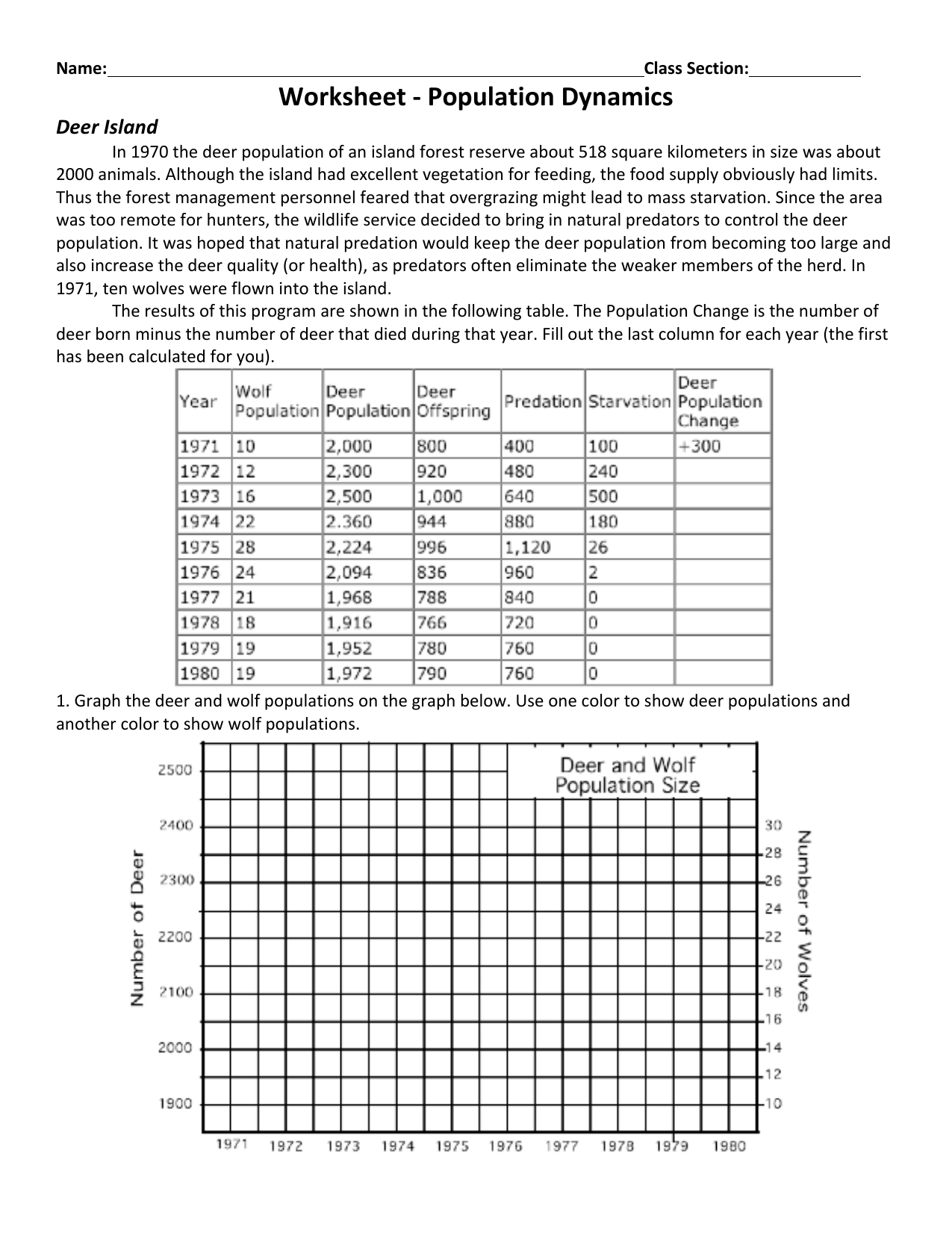
Population Dynamics Worksheet Deer Island Kaibab
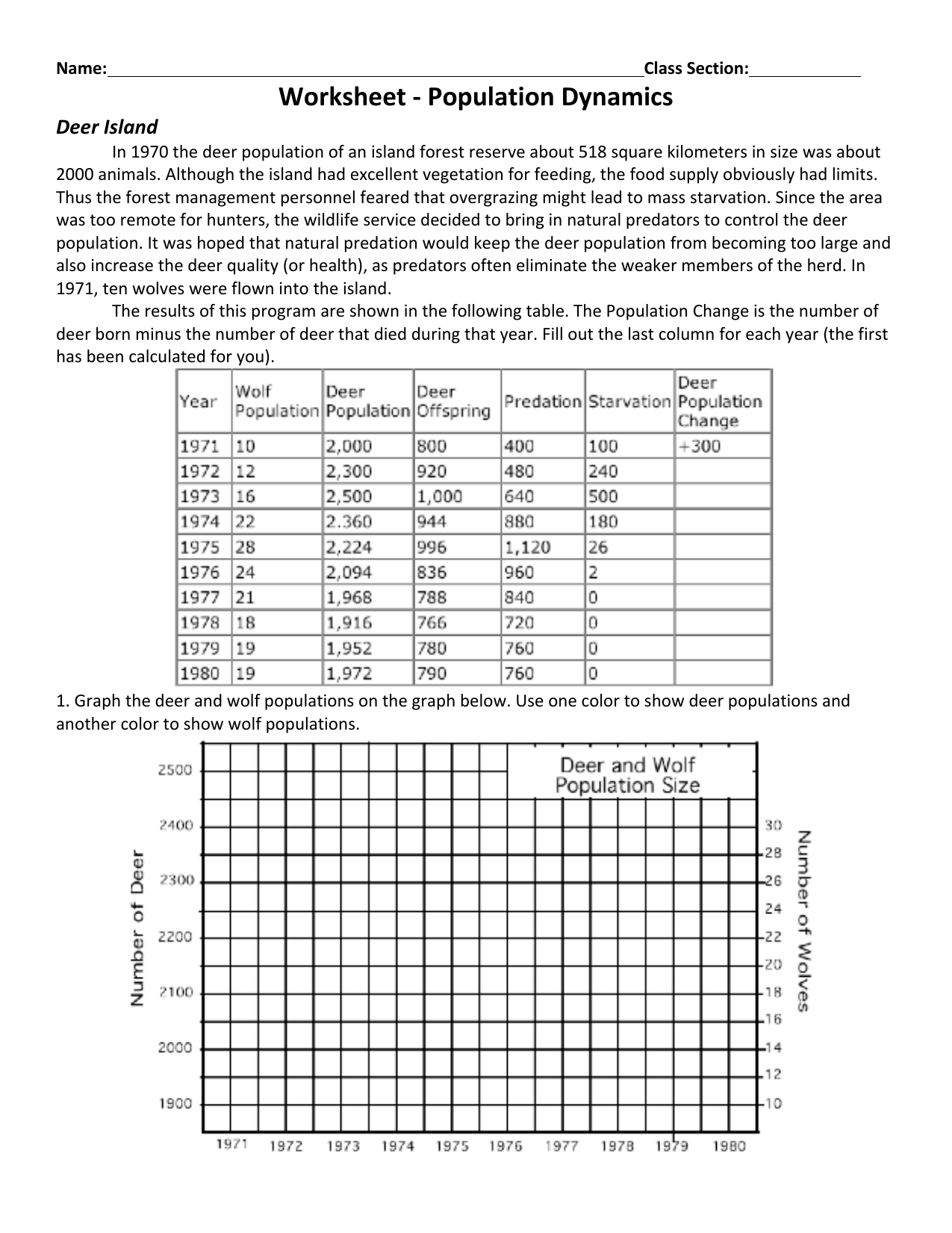
Population Dynamics Worksheet Deer Island Kaibab