Self-advocacy is a crucial life skill that enables individuals to express their needs, wants, and feelings effectively. In kindergarten, teaching self-advocacy skills can have a profound impact on a child’s development, helping them build confidence, independence, and resilience. By introducing self-advocacy concepts at a young age, parents and educators can lay the foundation for a lifetime of positive relationships, academic success, and emotional well-being.
As children navigate the challenges of kindergarten, they begin to develop their sense of identity and learn to communicate with others. Self-advocacy plays a vital role in this process, allowing children to articulate their thoughts, feelings, and needs in a clear and respectful manner. By teaching self-advocacy skills, parents and educators can help children develop a strong sense of self, build healthy relationships with peers and adults, and cultivate essential life skills such as problem-solving, decision-making, and conflict resolution.
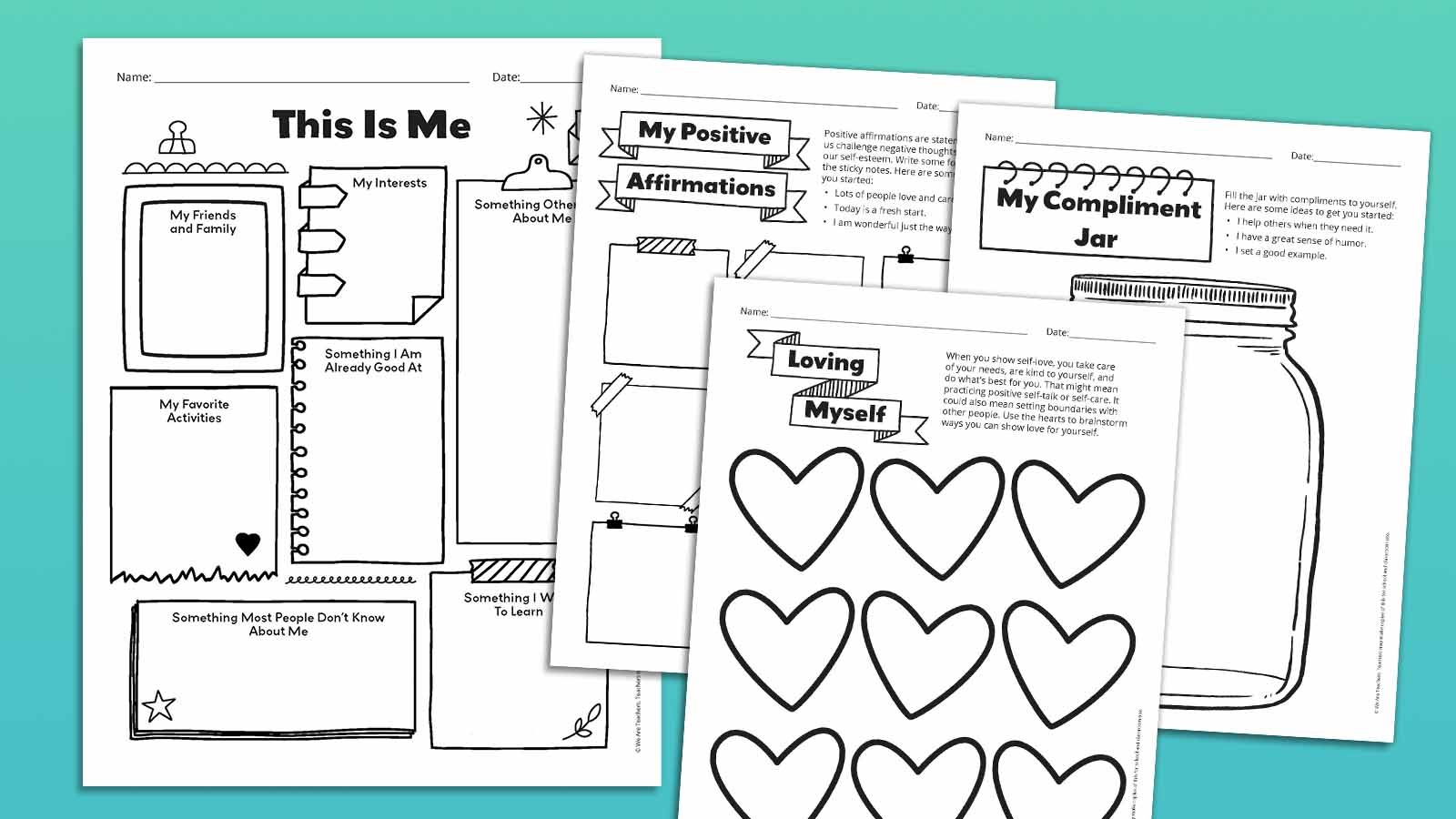
Get Our Free Bundle Of Self Esteem Worksheets
Introduction to Self Advocacy
Introducing self-advocacy concepts to kindergarteners can be a fun and engaging experience with the right tools and resources. One effective way to teach self-advocacy skills is through the use of printable worksheets specifically designed for kindergarten students. These worksheets can help children develop essential skills such as identifying and expressing emotions, using ‘I’ statements, and practicing active listening. By incorporating self-advocacy worksheets into daily lessons or activities, parents and educators can help children develop a strong foundation for lifelong learning and success.
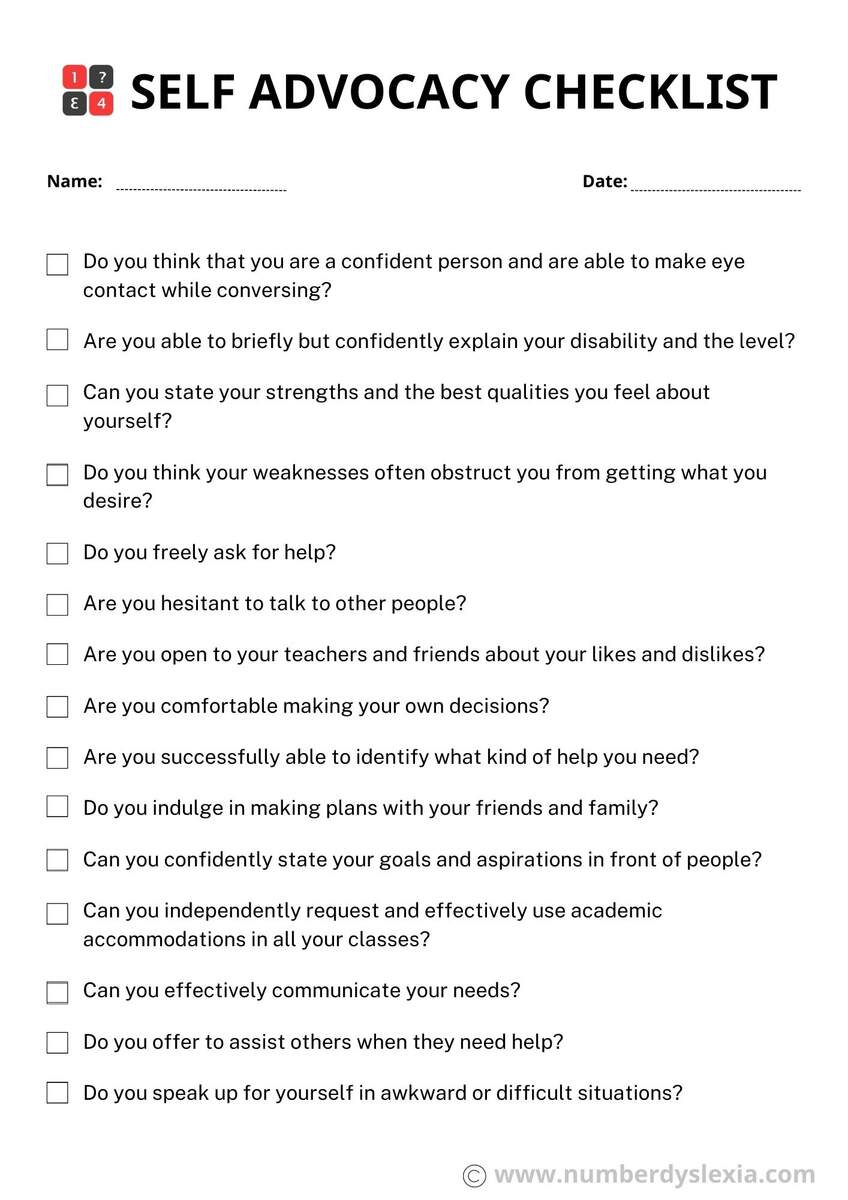
Self Advocacy Checklist PDF Included Number Dyslexia
Benefits of Self Advocacy in Kindergarten
The benefits of self-advocacy in kindergarten are numerous and well-documented. By teaching children to express their needs and wants effectively, parents and educators can help them develop a sense of autonomy and self-confidence. Self-advocacy skills can also help kindergarteners build stronger relationships with peers and adults, resolve conflicts in a peaceful and respectful manner, and develop essential life skills such as problem-solving and decision-making. Moreover, self-advocacy can help children develop a growth mindset, view challenges as opportunities for growth, and cultivate a sense of resilience and perseverance.
Using Printable Worksheets for Self Advocacy
Using printable worksheets is an excellent way to teach self-advocacy skills to kindergarteners. These worksheets can be tailored to meet the unique needs and abilities of each child, providing a fun and engaging way to learn essential skills such as self-awareness, self-regulation, and self-motivation. By incorporating self-advocacy worksheets into daily lessons or activities, parents and educators can help children develop a strong foundation for lifelong learning and success. Additionally, printable worksheets can be easily adapted to accommodate different learning styles, abilities, and interests, making them an ideal resource for diverse kindergarten classrooms.
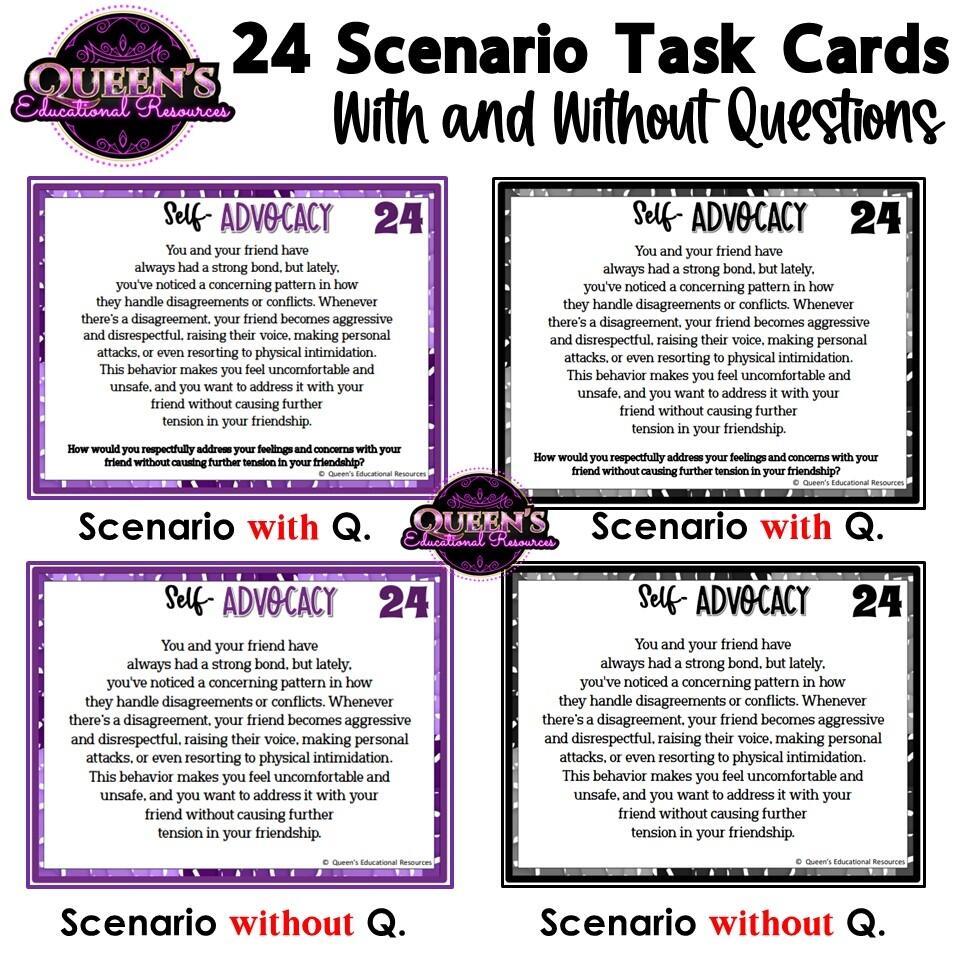
Self Advocacy Scenarios Self Advocacy Worksheets Situation Cards Communication Skills Classful
In conclusion, self-advocacy is a vital life skill that can have a profound impact on a child’s development in kindergarten. By teaching self-advocacy skills through the use of printable worksheets, parents and educators can help children develop essential life skills, build confidence and independence, and cultivate a strong sense of self. With the right tools and resources, kindergarteners can develop the skills they need to succeed in school and beyond, setting them on a path towards a lifetime of positive relationships, academic success, and emotional well-being.
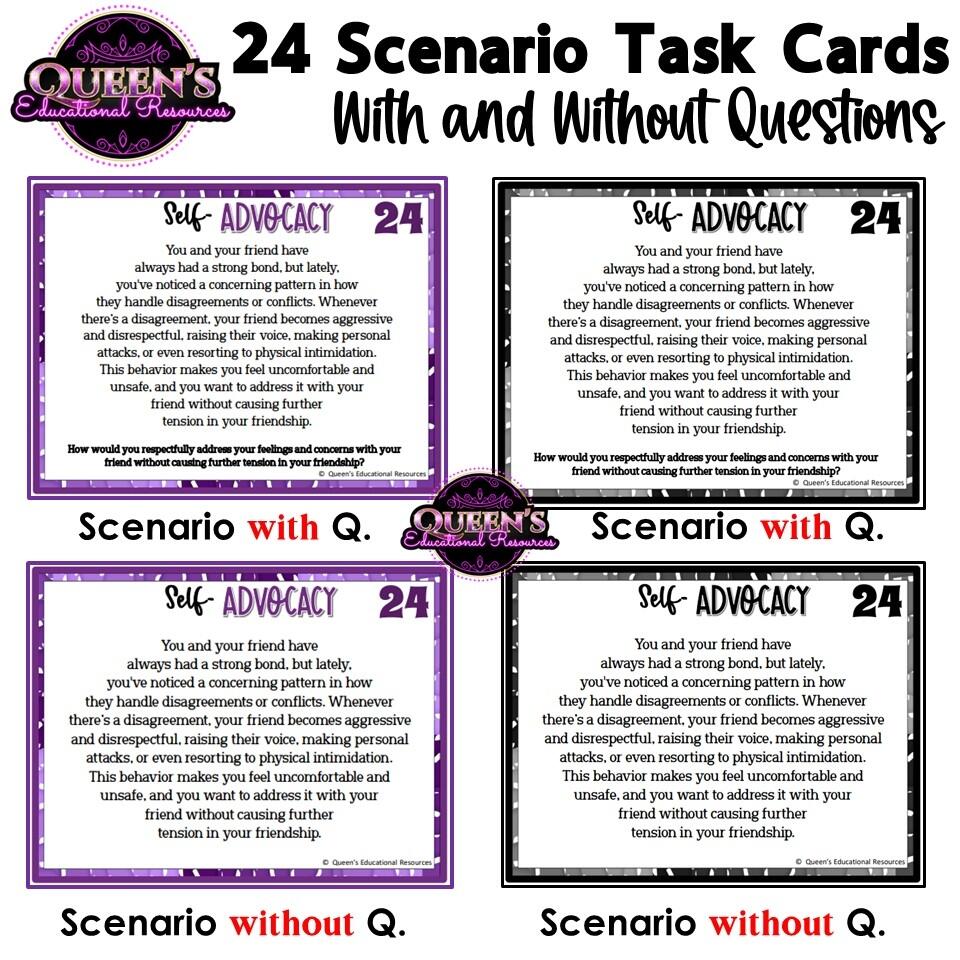
Self Advocacy Scenarios Self Advocacy Worksheets Situation Cards Communication Skills Classful
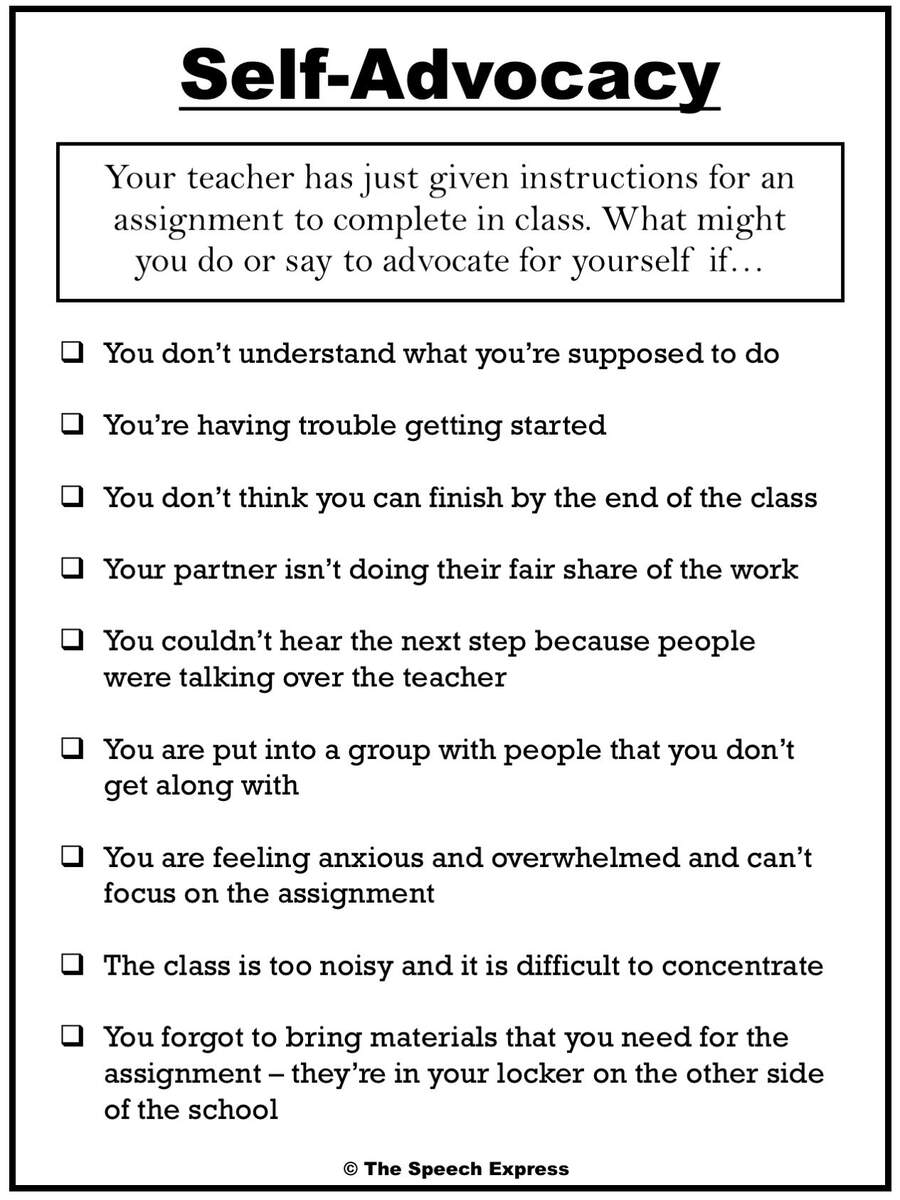
Free Printable Self Advocacy Skills Worksheets Worksheets Library